Genting Could Sell Miami Real Estate to Fend Off Credit Downgrade
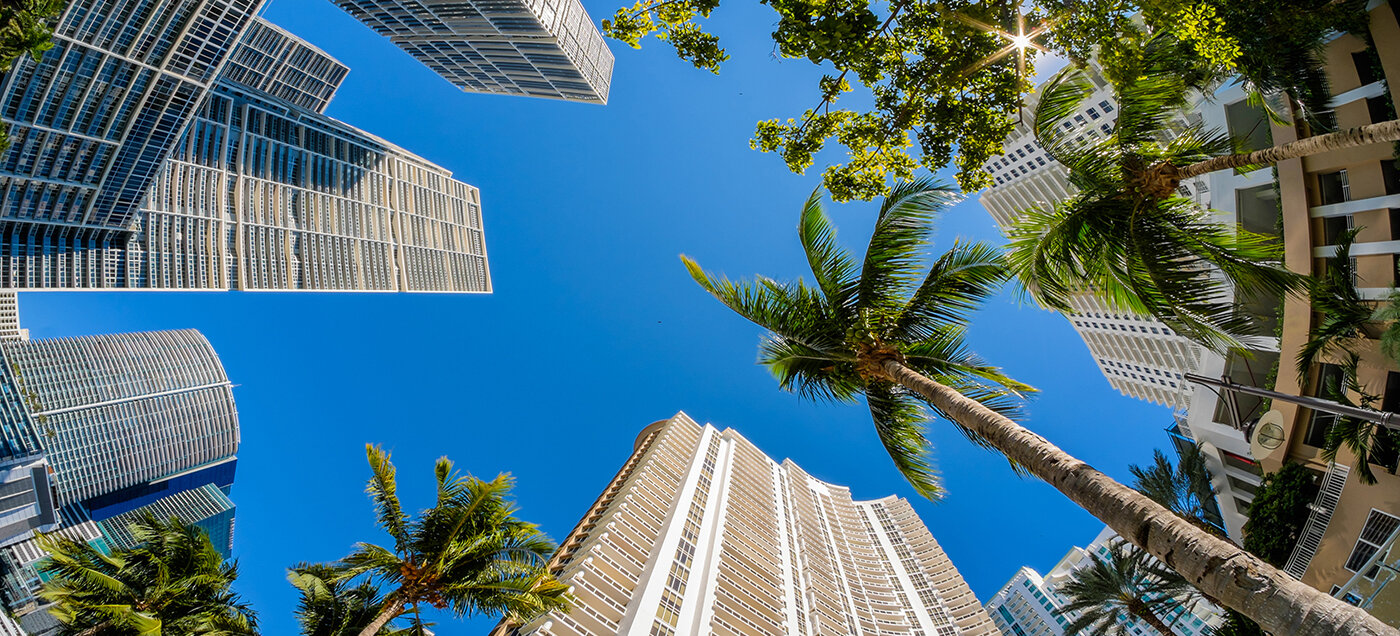
Malaysian gaming conglomerate Genting Bhd may need to liquidate non-core assets to ward off a potential credit downgrade, and its high-value, undeveloped Miami real estate could lead the list of potential sales.
In a recent report, CreditSights analysts praised Genting, which owns Resorts World Las Vegas, for a recent $306 million rights issue that raised needed capital, but the research firm says bolder, larger steps must be taken to shore up the company’s finances. Those could include selling “non-core assets,” including the Miami land.
“We believe non-core asset sales will be the main tool to stave off downgrade risks, notably the unused Miami land parcels,” wrote CreditSights analysts.
Genting Bhd serves as the parent holding company for units controlling major gaming destinations, including Resorts World Las Vegas, Resorts World Sentosa in Singapore, and Resorts World New York.
Genting Previously Tried to Sell Miami Land
The idea of Genting selling its 16.5 acres of prime South Florida real estate isn’t new. The conglomerate nearly did so in 2023 at a price tag of $1.23 billion, but that deal fell apart after the company refused to grant prospective buyer SmartCity Miami an extended exclusivity period.
Genting originally acquired the property with ambitions to construct a resort casino, but those plans never materialized due to state legislative hurdles. Selling the unused parcel—particularly at a price tag of $1 billion or more—could serve as a critical deleveraging event.
CreditSights noted that due to Genting’s heavy capital expenditure pipeline across New York, Singapore, and energy projects, smaller moves such as dividend cuts, perpetual bond issuances, or incremental earnings growth in Las Vegas and New York will not suffice to meaningfully reduce total debt.
Why Genting May Be Motivated to Sell Miami Land
Genting may be forced to act to prevent a debt downgrade into speculative (“junk”) territory. S&P Global Ratings currently assesses Genting at “BBB-“—the lowest investment-grade tier—and maintains a “negative” outlook on the company.
“The group has no more buffer for a further downward surprise to operational earnings. Its credit metrics are diverging further from [the] downside trigger, and as such, making near-term recovery seem increasingly unlikely,” according to a September report from S&P.
Prior to the SmartCity Miami transaction falling through, estimates suggested Genting would have realized approximately $743 million in after-tax profit from the sale. Analysts maintain that achieving a similar valuation in a future deal would materially strengthen the conglomerate’s funds-from-operations-to-debt ratio.