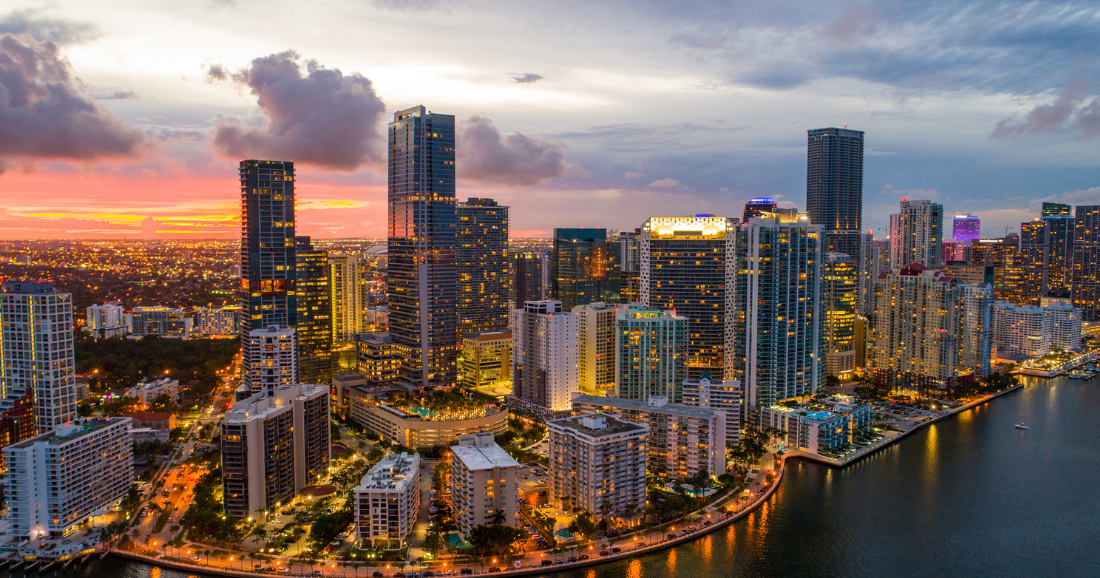
How Miami’s housing market shapes Island Living | Real Estate
Miami has always been a magnet for people seeking sunshine, culture, and opportunity. But in recent years, shifts in the city’s housing market have created ripple effects that reach far beyond the mainland.
For communities like Key Biscayne and Fisher Island, understanding how Miami’s larger real estate trends evolve is essential, because the city’s market has a way of shaping demand and pricing on the surrounding islands.
Miami’s Growth and Its Ripple Effect
Over the past decade, Miami has transformed into a global hub, attracting remote workers, international buyers, and families relocating from high-cost states. That demand has reshaped the entire metro area. Rising prices, shifting mortgage rates, and competition among buyers don’t stay contained within the city itself. They influence where people look when they decide Miami is their new home.
According to recent Movoto.com data, market trends in Miami have remained resilient despite national economic uncertainty. While some neighborhoods see modest slowdowns, the overall demand for homes near water and cultural centers has stayed strong. For island communities nearby, that means interest often grows as buyers search for quieter enclaves that still allow quick access to Miami’s core.
Why Buyers Look to the Islands
For many buyers, the city lifestyle is appealing, but the pace can be overwhelming. Islands like Key Biscayne offer a balance: close enough to Miami for work or entertainment, yet far enough away to provide a slower rhythm of life. Families value strong schools and safe streets, while retirees often prioritize walkability and views.
When Miami prices rise, buyers with flexibility may consider paying a premium for the island lifestyle instead of competing in crowded mainland neighborhoods. That shift can push island property values up faster than expected, especially in years when Miami’s housing market attracts out-of-state or international waves of buyers.
The Role of Remote Work
Remote work is another factor linking Miami to its neighboring islands. The U.S. Census Bureau reports that the share of Americans working remotely has more than tripled compared to pre-2020 levels. Miami’s appeal to remote professionals, especially those in tech and finance, continues to grow.
As more people choose to work from home, they are not tied to urban condos. Instead, they may look for homes with extra space, outdoor areas, or proximity to the beach. That trend often favors island properties, which can offer larger layouts and a more resort-like environment compared to downtown apartments.
Market Balance and Buyer Behavior
Miami’s real estate market has also entered a more balanced phase. Federal Reserve data shows that mortgage rate increases in 2023 and 2024 slowed down national sales volume. Miami is no exception. Buyers are more cautious, and sellers must be realistic about pricing.
For the islands, this balance creates opportunity. Homes that once flew off the market in bidding wars now require stronger marketing and preparation. At the same time, buyers who may have felt priced out of Miami proper can explore nearby islands with a more strategic approach, comparing value between locations.
Lifestyle as a Deciding Factor
Of course, not all decisions come down to numbers. Lifestyle is still the deciding factor for many buyers. A condo in downtown Miami might place you steps away from nightlife, but a home in Key Biscayne offers bike paths, beaches, and community events. That distinction is powerful, especially for families or those seeking long-term stability.
As the broader Miami market ebbs and flows, the islands remain tied to its fortunes. When international buyers return in larger numbers, they often start with high-profile mainland neighborhoods, then expand outward. When domestic buyers from states like New York or California enter the market, they frequently compare Miami prices with nearby enclaves to see if island living is within reach.
Looking Ahead
The housing market is never static, and Miami’s influence will continue to shape its surrounding communities. Buyers will watch how mortgage rates evolve, how inventory changes, and how broader economic shifts play out. Sellers on the islands should pay attention to these same signals, since what happens in Miami today often dictates island demand tomorrow.
For residents and prospective buyers alike, keeping an eye on both the big picture and the local market is key. Miami’s growth shows no signs of slowing, and its impact on nearby island living will remain a defining force for years to come.