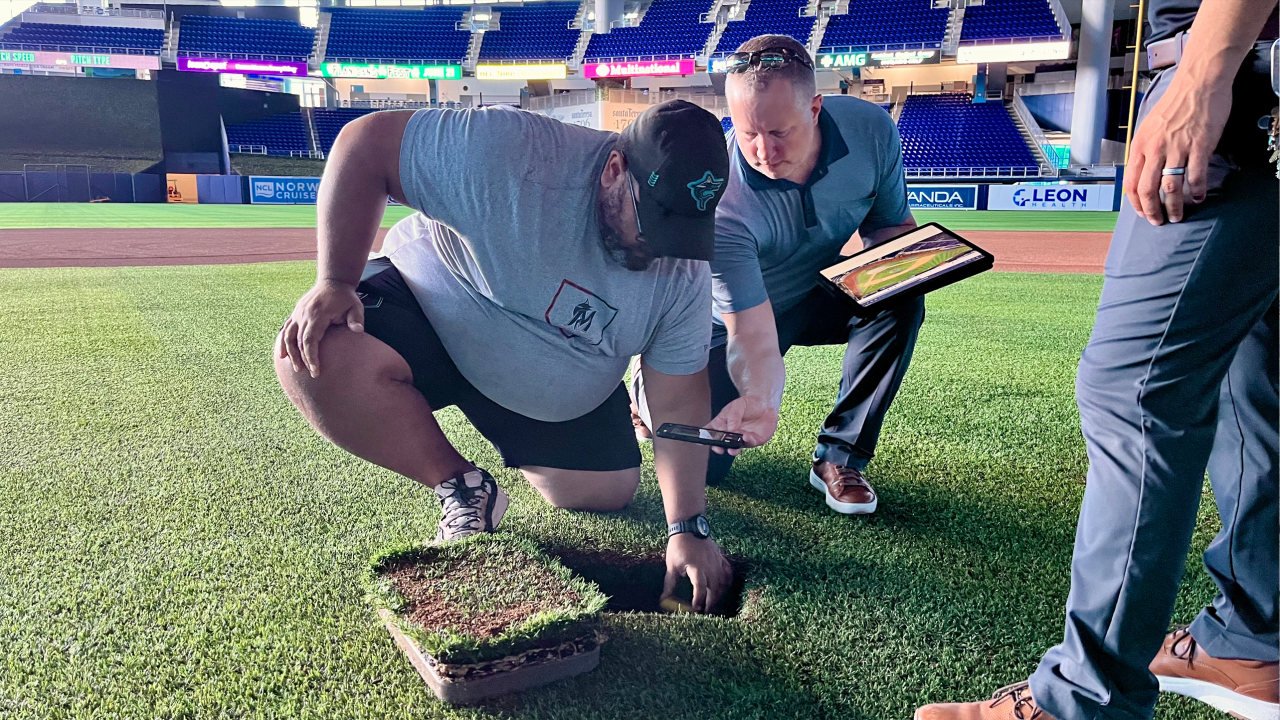
Winter Classic in Miami has NHL sweating details to keep things cool
For the first time, the NHL will not operate just one Mobile Refrigeration Unit, a custom-built ice plant on a semi-trailer. It will operate two together for redundancy. King used a laser measuring tool to figure out exactly how the trailers might fit in the loading dock behind right field. He wants them to stick out enough so they can vent warm, humid air without hitting an overhang.
King located water hookups needed for the trailers, and he made sure to check how the pipes will run from the trailers to the field. The NHL will cut a hole in the wall to create a direct route, then repair it afterward.
“When you’re punching a hole in a wall, you make sure that it’s the right thing in the right place,” NHL executive vice president of hockey operations Kris King said with a laugh. “We’ve got to make sure that we’re doing what we need but also that we limit it as much as possible, because they want their ballpark back the way we found it.”
A key question for the stadium workers: How low can the AC go?
“Air conditioning to them and to us is two different things,” Derek King said. “We know the max load that our trucks can run under. We want to make sure that during the ice build we’re not going to run into any issues. We control what we can control. If we can cool the building off, get down into the low 60s, maybe the high 50s, that’s good for us.
“We’re not worried about sun. We’re not worried about rain. And then obviously we have some time with practice day. It’s not just practice for the teams, but it’s practice for us. We can open the roof, see what the loads are, and then fine tune how those trucks are going to operate for us.”